Growing the future: first steps towards a new local tree nursery for the Peak District
Generous supporters of the Peak District National Park Foundation’s Earth Raise campaign, ‘team up for trees’, have raised £27,320 towards a new local tree nursery.
Thanks to this funding, work on the tree nursery project is now underway. At this stage, this includes planning and preparing, reviewing access arrangements and facilities, and considering volunteering pilots.
Why a tree nursery?
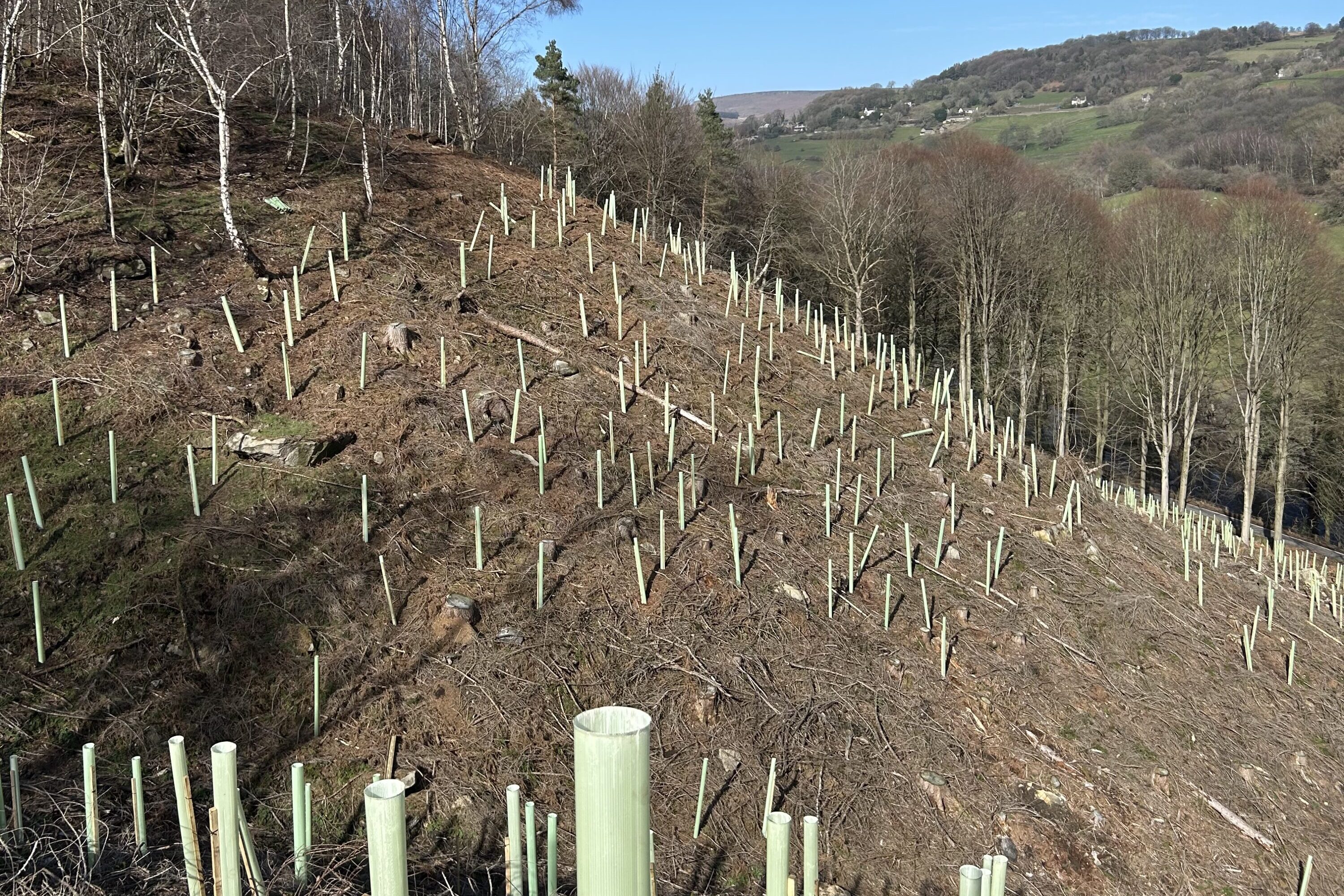
The Peak District National Park only has about 8% tree cover. This is below the UK woodland average of 13%, and significantly below the global average of about 30%. The trees we do have are in trouble, under constant threat from climate change and diseases.
The Peak District desperately needs more resilient native trees. We’ll be collecting seeds from around the National Park and using them to grow healthy new trees. As well as helping to restore our woodlands, this also offers a unique opportunity to increase biodiversity and bring back the original character of the landscape; replacing imported trees with the species that have been thriving here for centuries.
What we’ll be growing
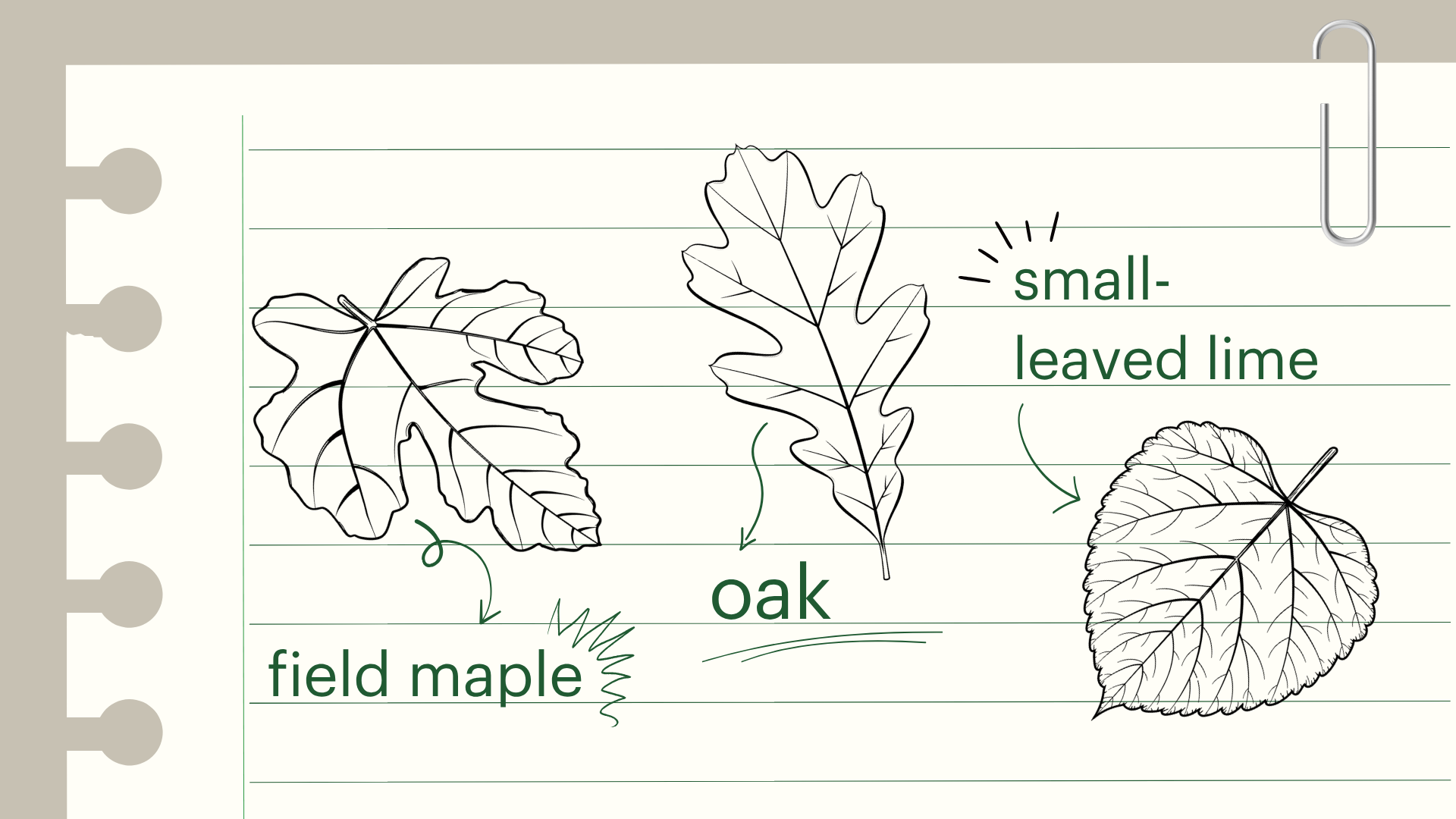
We’ll be growing a diverse range of native species, chosen for their resilience, nature benefits and pollution-busting properties. This includes (but is not limited to!):
- Field maple: the only true native maple to the Peak District, recognisable for its clusters of yellow-green flowers in springtime and winged fruit seeds (often called ‘whirligigs’) taking flight in the autumn. This resilient broadleaf loves limestone-rich soil, meaning it’s perfect for planting in the White Peak and beyond. It’s also an essential food source for pollinators, popular with caterpillars, moths and bees.
- Oak: a biodiversity superstar which supports a huge range of wildlife — over 2,000 species. These beloved hardwood trees are an iconic part of UK woodlands, with their signature shiny acorns feeding everything from deer to ducks. These trees also provide sustenance and shelter to rare and red-listed species such as the hawfinch, wood warbler, and tree pipit.
- Small-leaved lime (sometimes called small-leaved linden or pry): another hardy broadleaf, with heart-shaped leaves and sweet-smelling flowers. Resilient to cold and frost, its far-reaching roots can even improve the soil by drawing nutrients from deep in the earth. It provides nectar, pollen, and a hotspot for the aphids which many other species feed on.
These trees can live for hundreds and, in some cases, thousands of years, making them a sound investment in the National Park’s future.
What comes next
We’re planning to have completed the set-up phase of the tree nursery by Spring 2027. Then, we will begin to launch the volunteer programme, providing learning and wellbeing opportunities that support the work of the nursery. Our vision is that this will be a community-led space where volunteers can build confidence and learn vital green skills.
If you’d like to stay up-to-date with what’s happening and opportunities to get involved, both with our tree nursery and other Peak District projects, you can sign up to our newsletter.
If you’d like to support the work of the Foundation, you can make a donation.